
Choosing Pattern Scale: What Works in Real Products (and Why Planning Matters)
Pattern scale decisions often feel flexible when we’re designing on screen, especially in Adobe Illustrator. In reality, most products allow for one scale choice, not multiple versions. That makes planning essential.
Some POD platforms, like Spoonflower, allow designers to upload multiple scales. Product manufacturers do not. Once a design goes into production, the scale is locked in and the success of the product depends on how well that choice was made.
Common Assumption
If a pattern looks good digitally, the scale can be adjusted later to suit different products.
Why That Assumption Breaks Down
Scale affects more than motif size. It impacts:
line weight and shading
texture consistency
how patterns relate to each other in a collection
how the design feels on the finished product
Changing scale after a collection is built often introduces inconsistencies that are difficult to fix without reworking the artwork.
When the same motif appears in multiple patterns, scale changes need to make sense not only within each pattern, but across the entire collection. If a motif relies on linework or texture, rescaling it alters the thickness and spacing of those elements.
When one pattern uses the original scale and another uses a resized version, those differences can feel visually disconnected. One way to avoid this is to use similar, but not identical, motifs across a collection. That approach allows for scale variation without creating inconsistency in line weight or texture.
Do This / Not That
Do This
Plan your design with end use in mind first
Research the scale most often used for similar products
Sketch a collection concept early, identifying:
hero designs
coordinating designs
blenders
Design motifs so their size relationships work from the beginning
Test designs at real size using:
digital mockups
home printer proofs
Not That
Making scale decisions after the full collection is complete
Sending designs for sampling without printing at real size first
Adjusting motif scale without adjusting textures, line weight, or shading

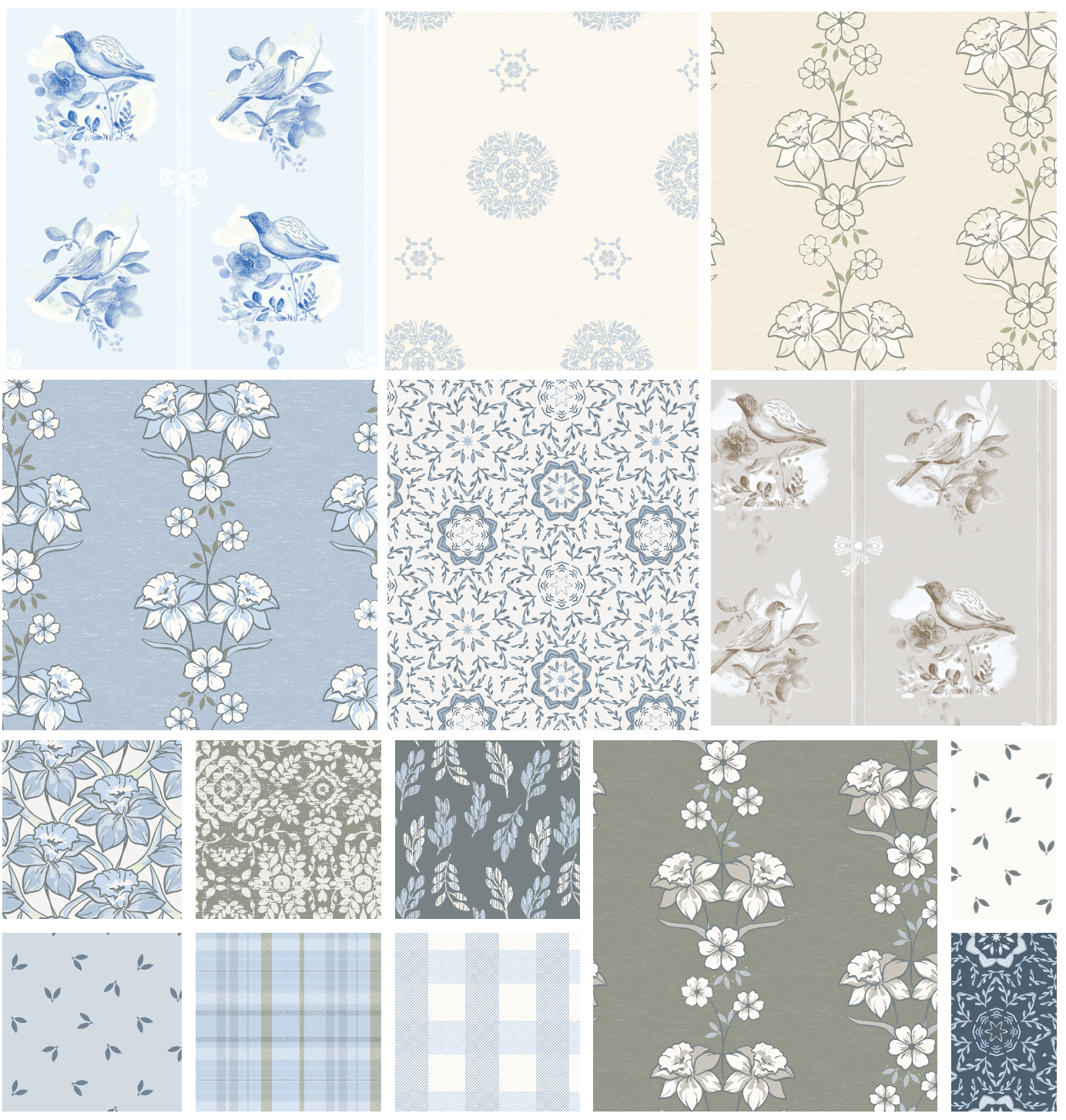
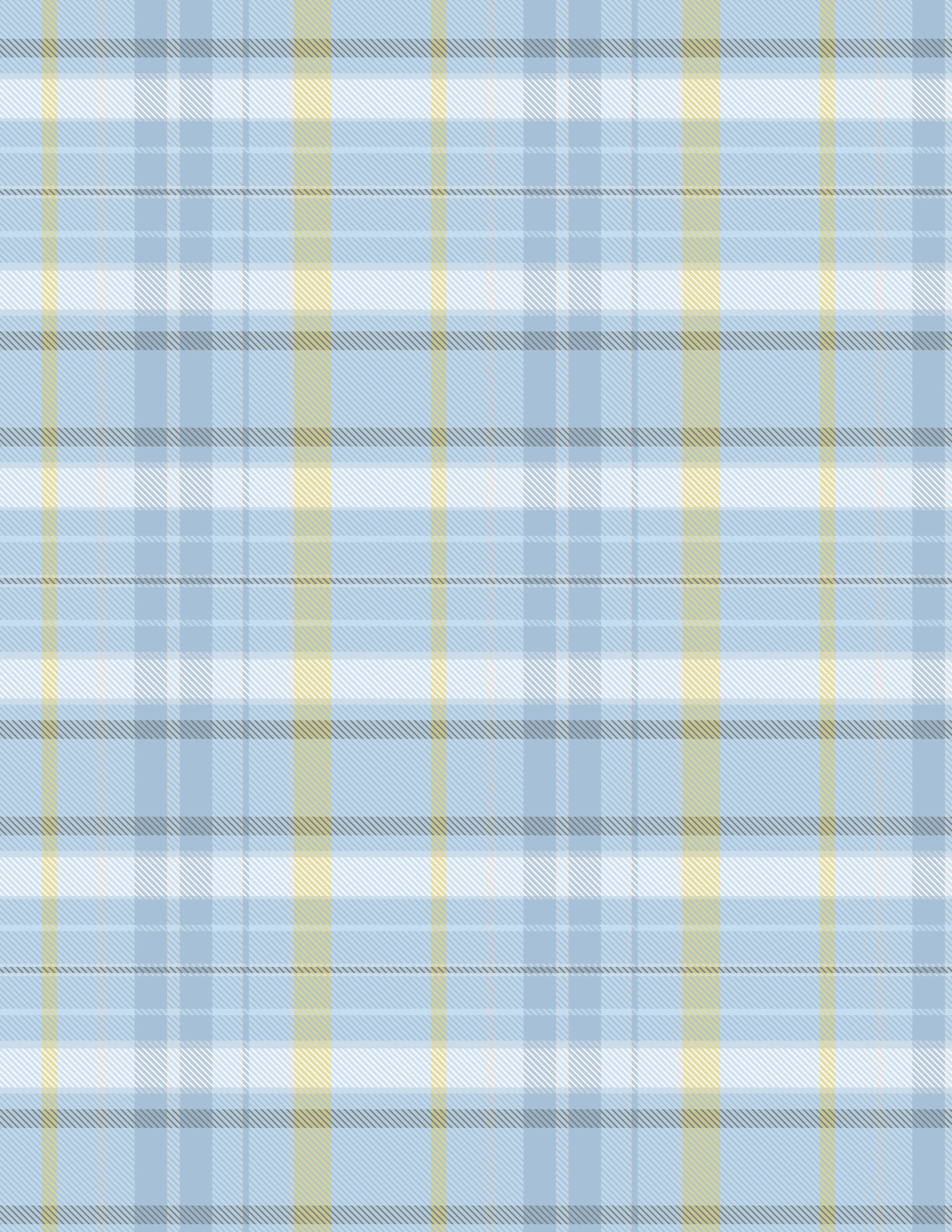
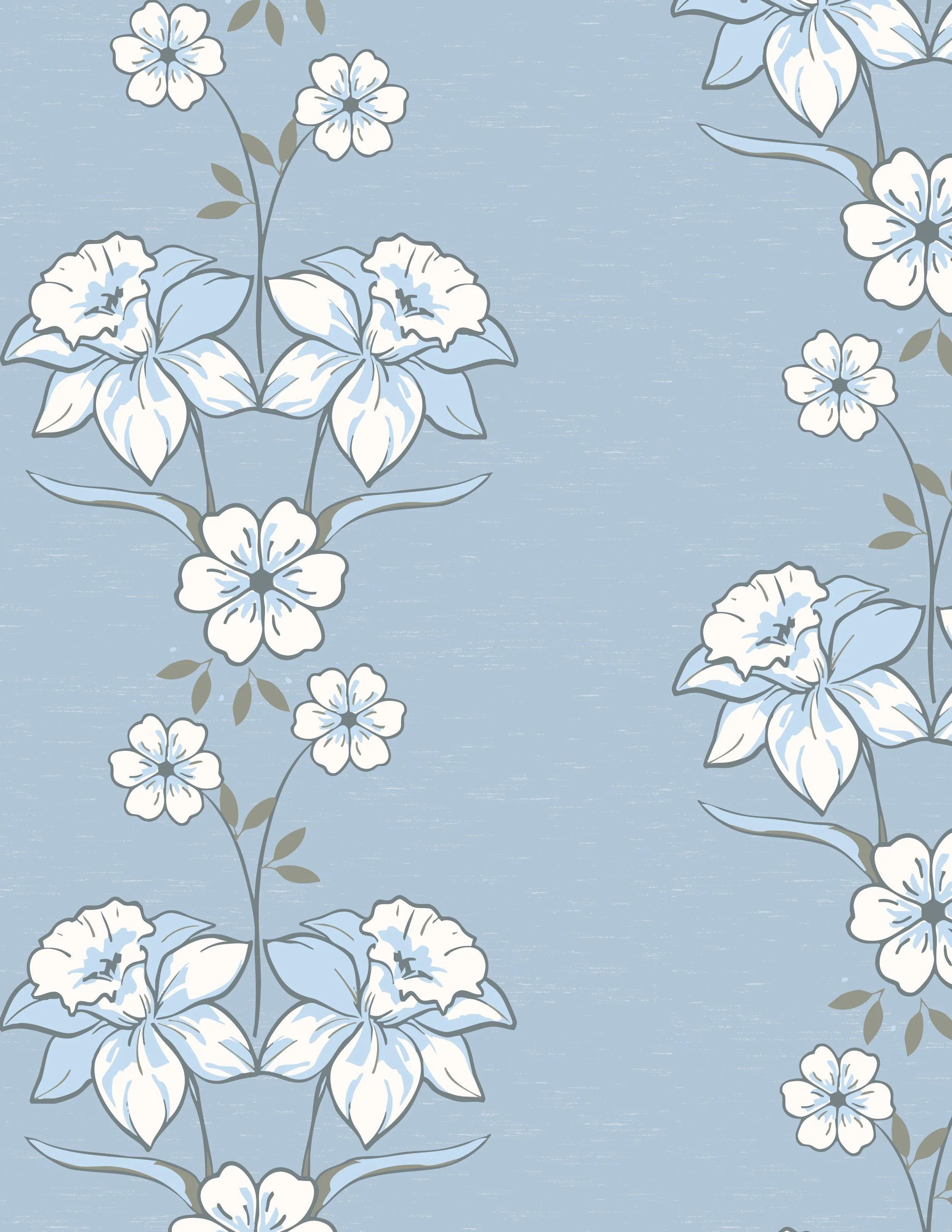
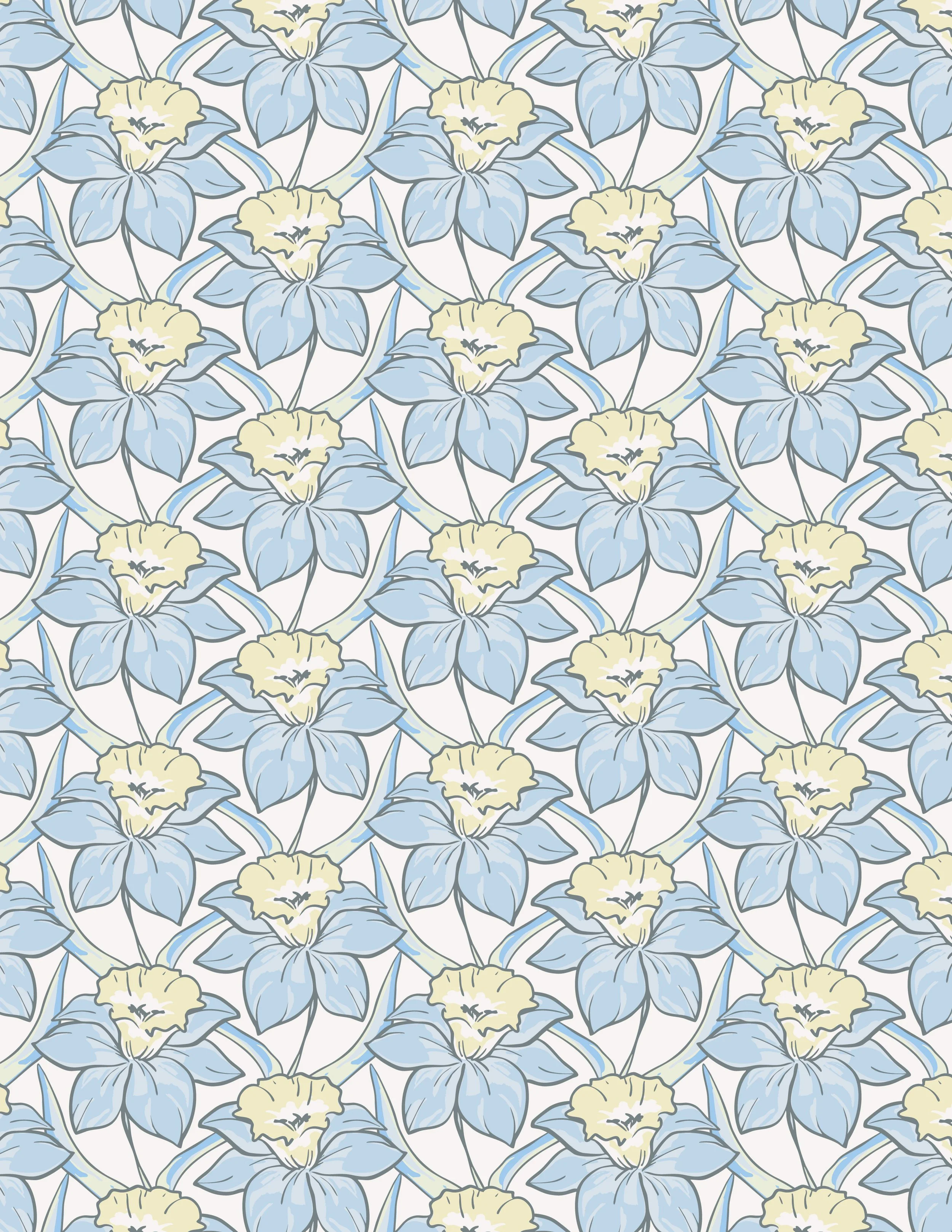
Real-World Practice
When I’m designing for products like tea towels, bedding, or children’s apparel, I print my designs on paper at full scale. I lay those printouts directly on the item they’re intended for, whether pajamas, a duvet cover, or a kitchen towel, to see how the pattern actually behaves in use.
This step often reveals scale issues that aren’t apparent on the artboard, and allows me to finalize motifs and resolve repeats with confidence.
Mockups can be powerful tools for marketing but without measurements it can be impossible to relate real scale to the scale shown in a mockup file.
Why This Matters
Thoughtful scale planning:
keeps collections visually consistent
reduces rework later in the process
avoids time consuming production sampling errors
leads to products that feel intentional and usable
Scale isn’t just a visual choice, it’s a production decision.
Good pattern design starts long before the final repeat.
Planning scale early allows every element, the motif, textural layers, and line weight, to work together from the start.